
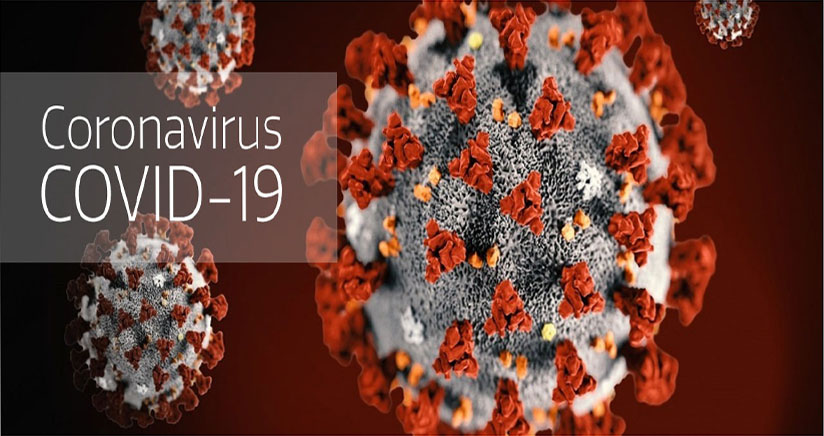
Coronavirus disease, COVID-19, is an infectious illness caused by the SARS-CoV-2 virus. Most people who become infected experience mild to moderate illness and recover without needing hospital treatment. Some, particularly older people and those with other conditions, become seriously unwell.
How it spreads
The virus spreads mainly through droplets and small airborne particles released when an infected person breathes, speaks, coughs or sneezes. Crowded and poorly ventilated indoor spaces carry the highest risk.
Common symptoms
- Fever, cough and tiredness
- Loss of taste or smell
- Sore throat, headache, aches and pains
- Diarrhoea, or a rash
When to seek care
Come to hospital if you have difficulty breathing, chest pain or pressure, confusion, or difficulty staying awake. If you have another long-term condition such as diabetes, heart disease or HIV, seek advice early rather than waiting.
Vaccination, hand hygiene, ventilation and staying home when unwell all reduce transmission.