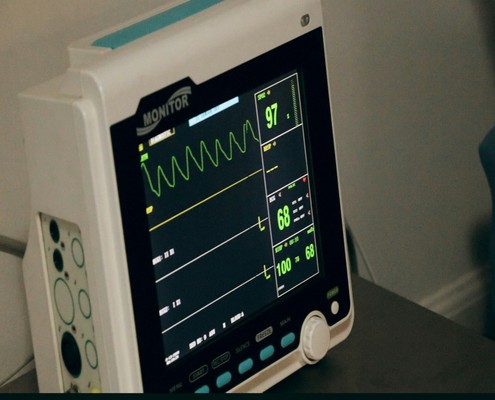
World Patient Safety Day
A WHO day focused on reducing avoidable harm in healthcare. Staff sessions on hand hygiene, safe surgery checklists, medicine safety and incident reporting, with patient information desks in the outpatient area.
Free


A WHO day focused on reducing avoidable harm in healthcare. Staff sessions on hand hygiene, safe surgery checklists, medicine safety and incident reporting, with patient information desks in the outpatient area.
Community talks on depression, anxiety and substance use, and how to seek help. Confidential assessment available at the mental health clinic throughout the day.
Recognising the care given to people living with serious and life-limiting illness, and the support offered to their families. Information on the hospital's palliative care service is available from the Customer Care Desk.
A week focused on preventing infections in healthcare, including hand hygiene, safe injection practice, cleaning and safe waste management. Patients and visitors are asked to clean their hands when entering and leaving the wards.

Raising awareness of preterm birth and the care of premature and low-birth-weight babies. Early and regular antenatal care, delivery in a health facility and kangaroo mother care all improve the outcome for small babies.

Promoting the responsible use of antibiotics and other antimicrobials. Take antibiotics only when prescribed by a clinician, complete the full course, and never share or keep leftover medicines.
Sputum testing for anyone with a cough lasting more than two weeks, contact screening for households of TB patients, and information on free treatment.
Malaria testing, distribution of treated nets where available, and education on why every fever should be tested rather than treated blindly.
Practical hand hygiene training for staff, students and visitors. The single most effective way to prevent infection in a hospital.
Information on the effects of tobacco and khat on the lungs, heart and mouth, with brief advice and referral for anyone wanting to stop.